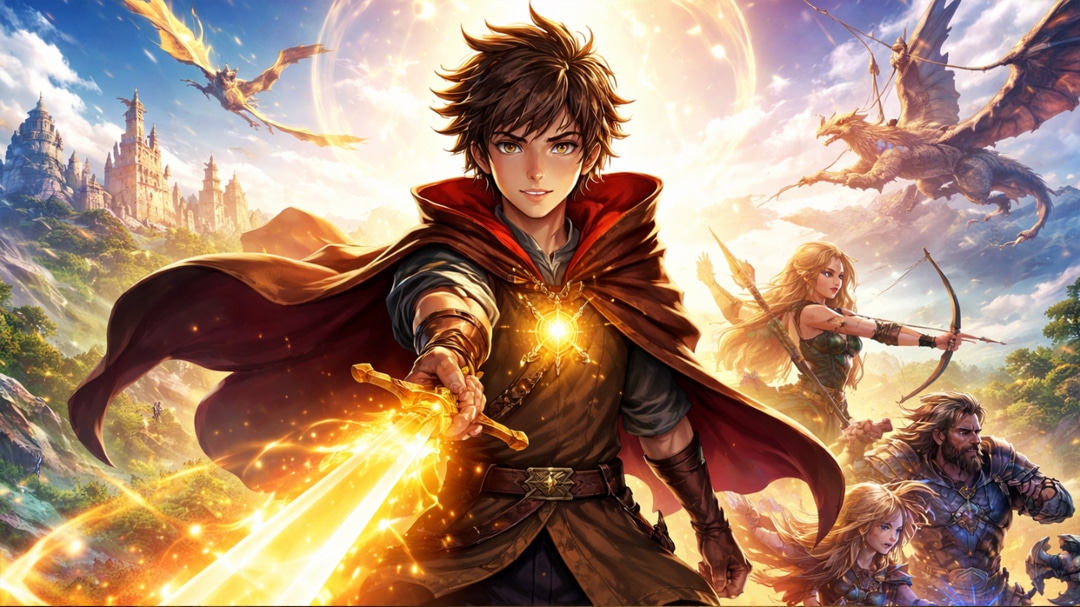
If there’s one trope viewers love to dunk on, it’s The Chosen One.
At this point, it’s practically a pop-culture punchline. You know the drill: a seemingly ordinary kid – usually living in a cupboard, a desert, or a place with just enough tragic backstory – is destined to save the world because an ancient prophecy, a magic bloodline, or a conveniently vague scroll said so. It’s narrative shorthand so familiar it might as well come with a checklist. Or a punch card. (“Congratulations! Your tenth prophecy is free!”)
It’s the story equivalent of “my dog ate my homework” – an excuse that technically works, but stops making sense after the millionth time you hear it.
And yet… we keep watching.
Not grudgingly. Not ironically. Eagerly.
From Harry Potter to Neo to Aang to Paul Atreides, audiences still turn out in droves for stories about people who were born (or cursed) to be great. We dunk on the trope online, then spend the opening weekend analyzing every frame of the latest prophecy-driven blockbuster. We’re hypocrites in the most delightful way.
So why hasn’t the trope died like so many prophecies foretold? Why does it continue to work – even feel fresh – when creators put actual thought into it? Because – plot twist – the trope itself isn’t the issue. How it’s used is.
The Chosen One trope isn’t some dusty relic from storytelling’s basement. It’s a tool – a flexible one. And like any tool, it can build something profoundly resonant… or it can be used like a sledgehammer in a china shop.
When handled lazily, it becomes the ultimate narrative shortcut: the hero wins because destiny said so – no struggle, no complexity, no agency – just cosmic nepotism.
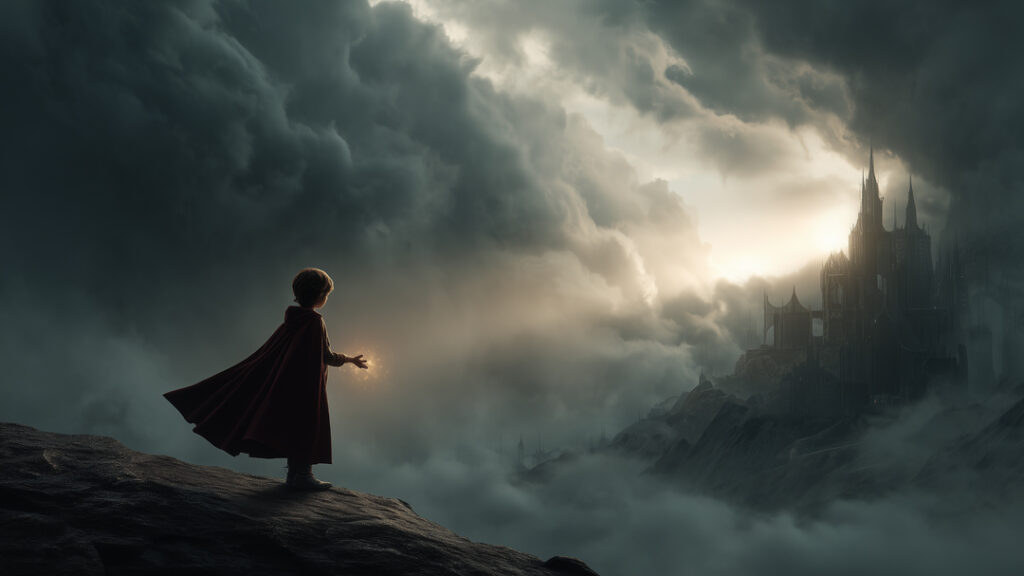
But when creators challenge it, twist it, interrogate it, or use it to say something about identity, pressure, or belief? That’s when the trope sings. That’s when it stops being a cliché and becomes a character-defining crucible.
Before we toss it into the Sarlacc pit with all the other overused genre tropes, let’s break down why The Chosen One still hits, what makes it crash and burn, and how modern storytellers are reviving it with prophecy-defying energy.
Subscribe to Fictionphile
No spam. We never sell your info.
“Chosen” Doesn’t Have to Mean “Special Because Destiny Said So”
The trope really starts to fall apart when destiny functions like a narrative cheat code.
You know the kind:
“Oh, you’re The One? Congrats, here’s your instant access to every secret skill, character upgrade, and major plot beat. Please proceed directly to the Final Boss while the supporting cast cheers you on.”
It’s storytelling on autopilot. The prophecy becomes a FastPass line through the hero’s journey. No training, no growth, no internal conflict – just a series of increasingly dramatic zoom-ins while characters whisper, “It is as foretold.”
Modern stories know they can’t get away with that anymore. We’ve seen too many cookie-cutter “Chosen Ones” who discover they’re special and… that’s it – the “chosen” label substitutes for a personality.
But when the trope works, destiny doesn’t remove obstacles.
It creates them.
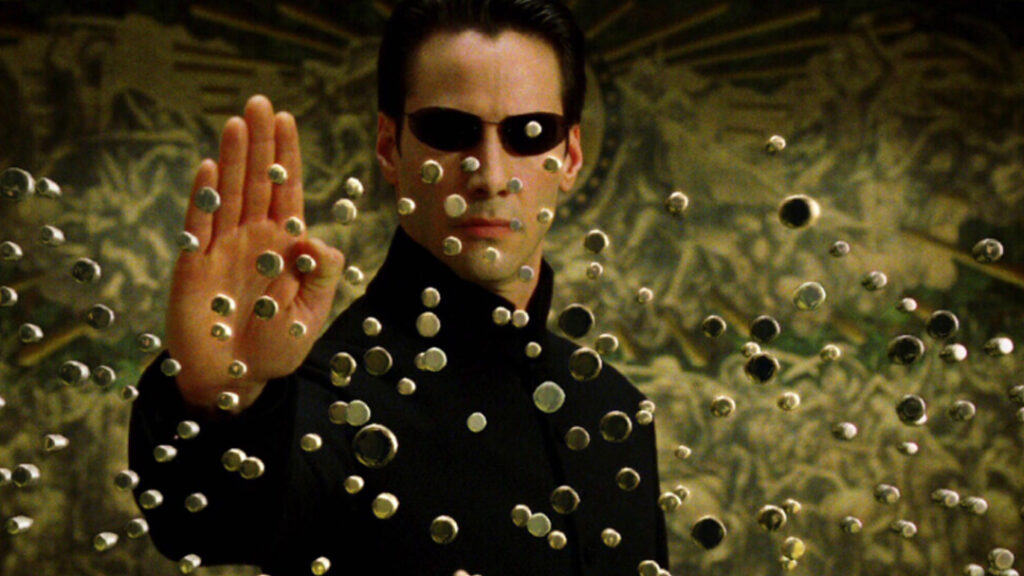
Take The Matrix, one of the strongest Chosen One stories ever put to screen. Neo being “The One” isn’t a gold star – it’s an existential crisis. He’s the least convinced person in the entire cast. Morpheus puts too much faith in him. Trinity is caught in the prophecy crossfire. Every character has a different interpretation of what “The One” even means, and the movie plays those tensions like a symphony.
Like any good prophecy, this one raises questions instead of answering them:
What if the prophecy is wrong?
What if destiny is a cage instead of a calling?
What if you don’t want to be the universe’s designated savior?
What if you fail – and everyone was counting on you?
This is where the trope becomes compelling: When destiny isn’t a free pass, it’s a pressure cooker.
The best modern Chosen One narratives understand that being “chosen” should provoke self-doubt, moral conflict, fear, resentment, imposter syndrome – anything that forces the character to confront who they are and who the world expects them to be. It should make their arc richer, not shorter.
Great Chosen Ones aren’t treated like VIP guests at the prophecy lounge.
They’re treated like someone carrying a very old, very heavy, very dangerous backpack that no one else wants to touch.
That’s when the trope stops being a badge of honor… and becomes a burden the character must fight to carry.
The Trope Works When It’s Really About Agency
A great Chosen One story isn’t built on the idea of “You were born special.” That’s just the inciting incident.
What actually makes the trope resonate is the follow-up question – the one that turns fate from a plot device into a character-defining crossroads:
“Now that you’ve been handed this fate… what choice will you make?”
Destiny can light the fuse, but agency is the explosion.
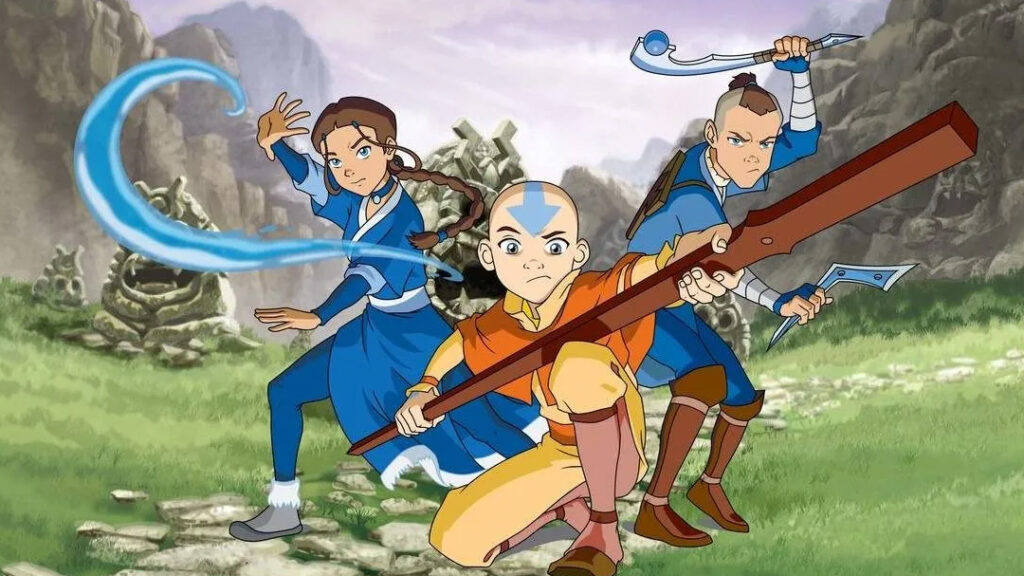
This is why Avatar: The Last Airbender remains one of the most masterful Chosen One stories of the 21st century. Aang checks every prophecy box imaginable. He’s the reincarnation of a long line of spiritual superheroes. He literally wakes up with a get-out-of-apocalypse-free card stamped on his soul.
But the show’s brilliance lies in what it doesn’t do.
It doesn’t tell a story about a boy who fulfills a prophecy because he has no other option. It tells the story of a boy who keeps choosing who he wants to be – even when destiny, tradition, and an entire war-torn world push him in the opposite direction.
Aang doesn’t just follow the Avatar playbook. Half the time, he throws it out the window.
The Fire Nation wiped out his people – he refuses to respond with hatred.
The world tells him the only way to end the war is to kill Ozai – he refuses to betray his values. Even his past lives, literal echoes of ancient wisdom, pressure him toward the kind of “justice” every Avatar before him embraced.
He still says no.
The result? You get a Chosen One narrative where the emotional tension doesn’t come from whether he can win, but whether he can win his way.
That’s the magic of a Chosen One who chooses:
- They push back against destiny rather than being steamrolled by it.
- They define the prophecy instead of letting it define them.
- Their growth shapes the narrative more than their bloodline does.
This transforms the trope from a passive fantasy wish-fulfillment device into something active, human, and dramatically rich.
The most compelling Chosen Ones aren’t interesting because they’re destined to save the world. They’re interesting because they keep making decisions – messy, complicated, personal decisions – while the entire world watches and waits to see whether they’ll break or rise.
A Chosen One with choices? That’s not just where the magic happens.
That’s where the story happens.
It’s Not About Power – It’s About Pressure
In a world oversaturated with superheroes, wizard prodigies, reluctant demigods, and space messiahs who can part galaxies with their eyebrows, the fact that the “Chosen One” trope still works might seem shocking. Haven’t we mined this trope to death? Haven’t we squeezed every last drop of prophecy juice from the genre?
Apparently not – because the trope taps into something that’s not just universal, but deeply human: the fear that people expect more from you than you can deliver. It’s the ancient, mythic version of imposter syndrome. The cosmic equivalent of someone handing you a group project and saying, “Yeah, you’re doing all of it. We believe in you :)”
The best Chosen One stories treat destiny less like a reward and more like the worst performance review ever written: “You’re supposed to save everyone. Don’t screw it up.” There’s no encouragement. No training manual. Just a vague prophecy drafted by a committee of mystical cryptics who definitely skipped clarity day in school.
And that’s the secret – what gives the trope its staying power. It’s not the power fantasy. It’s the pressure fantasy.
Because while most of us will never swing a magic sword or bend elements or plug ourselves into the code of reality, we will face: expectations we didn’t ask for responsibilities we didn’t feel ready for roles we slipped into by circumstance, not choice the fear of disappointing people who believe in us the weight of trying to live up to something we never agreed to be That’s the heart of the trope. Not destiny. Not prophecy. Not mystical bloodlines. Pressure. And pressure is relatable.
You don’t need to be the “last son of a dying race” or “the foretold harbinger of balance” to understand what it feels like when someone says:
“You’re the smart one.”
“You’re the responsible one.”
“You’re the one who’s going to fix this.”
“You’re the one we’re counting on.”
Chosen One stories resonate because they turn that inner anxiety into an epic struggle. They externalize our most private fears and make them literal battles – monsters, tyrants, cosmic timelines. The stakes are bigger, but the emotions are the same.
When a Chosen One breaks down under the weight of expectation, we get it. When they push back, we cheer. When they figure out how to carry that weight without losing themselves, it hits in the gut.
Because the prophecy in the story is really just a metaphor for the prophecy we all inherit – family expectations, cultural expectations, career expectations, life expectations.
And sometimes, those expectations feel just as impossible as slaying a dark lord.
That’s why the trope survives. Because at its core, it’s not about being destined. It’s about being overwhelmed and fighting anyway.
A Modern Twist: The Prophecy Isn’t Always Right
One of the most effective ways creators keep the Chosen One trope feeling fresh – especially in a media landscape drowning in prophecy-driven narratives – is by refusing to treat the prophecy as a solution.
Instead, the prophecy becomes a plot device, a conflict engine, or even a narrative trick. It complicates things. It muddies the waters rather than clarifying them.
Because once the prophecy is treated as gospel truth, the audience knows exactly where the story is going. And nothing kills tension faster than inevitability.
So modern storytellers have started breaking the prophecy on purpose.
Sometimes the prophecy is misunderstood – filtered through centuries of political agendas, half-remembered myths, and game-of-telephone translation errors. What the characters think it means and what it actually means end up being two very different things.
Sometimes the prophecy is manipulated – twisted by religious leaders, power-hungry factions, or self-interested mentors who realize that the idea of a “Chosen One” is often more potent than the Chosen One themselves. Morpheus does this subtly in The Matrix. So do the Jedi. So do basically all fantasy priesthoods ever.
And sometimes the prophecy is just… flat-out wrong. Not metaphorically wrong. Not misinterpreted. Just incorrect. A cosmic clerical error. A plot twist disguised as destiny.
This approach electrifies the trope by forcing the audience to stop treating “chosen” as a guarantee and to treat it as one possible reading in a world full of unreliable narrators. Destiny becomes a debate, not a script.
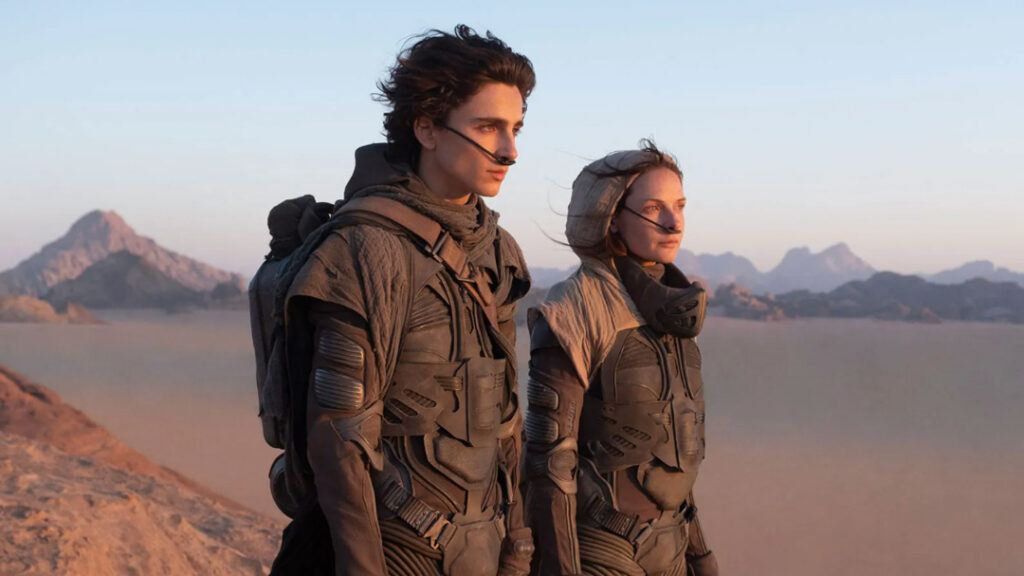
And nowhere is this more brilliantly – and disturbingly – executed than in Dune.
Whether you’re reading Herbert’s original novel or watching Villeneuve’s jaw-dropping adaptation, the shock isn’t that Paul Atreides is the Chosen One. It’s that he’s not. At least… not in the divine, fated, benevolent sense people assume.
Paul isn’t fulfilling a sacred prophecy. He’s exploiting one.
The Bene Gesserit spent centuries planting religious myths on multiple worlds as a form of spiritual soft power. When Paul lands among the Fremen, he doesn’t stumble into a prophecy – he walks straight into a cultural trap laid by political architects who never imagined someone like him would wield it.
And Paul chooses to use it. Not out of heroism. Not out of altruism. But out of survival, desperation, and eventually, unstoppable momentum.
The result is a chilling inversion of the Chosen One fantasy. You’re not watching a savior rise – you’re watching a myth be weaponized at a planetary scale. Paul becomes the chosen one because people choose to believe it, and he leverages that belief to ignite a jihad across the galaxy.
It’s prophecy as propaganda. Destiny as a self-fulfilling disaster. And the Chosen One trope twisted into something more horrifying than heroic.
This kind of subversion keeps the trope alive not by rejecting it, but by interrogating it – asking who benefits from prophecies, who writes them, who enforces them, and who gets burned in their aftermath.
A prophecy that isn’t reliable isn’t a spoiler. It’s a landmine. And when creators treat it that way?
The Chosen One trope becomes unpredictable again.
The Trope Lives or Dies on the Character, Not the Prophecy
Here’s the real secret behind making the Chosen One trope actually land:
A Chosen One story only works if the character is strong enough to carry the weight of destiny.
If your protagonist is passive, personality-free, or spends most of their arc sulking about how hard it is to be special, audiences tap out faster than you can mutter “midichlorians.” Prophecy doesn’t make a boring character interesting. It just makes their boring-ness more obvious.
But when a Chosen One is layered – conflicted, flawed, growing, pushed to their limits – the prophecy becomes fuel instead of fluff. It doesn’t overshadow them. It illuminates them.
Look at the icons who’ve survived decades of scrutiny, reboots, sequels, fan theories, and the unforgiving court of online discourse.
Buffy Summers

Buffy works because she never wanted the Slayer gig. She was trying to get through high school without dying (emotionally or physically). Her charm comes from the contrast – she’s quippy, vulnerable, insecure, stubborn, compassionate. Being “chosen” doesn’t hand her confidence; it constantly threatens her humanity. Her character isn’t defined by slaying vampires – it’s defined by how she balances monstrous responsibility with very human desires.
Miles Morales
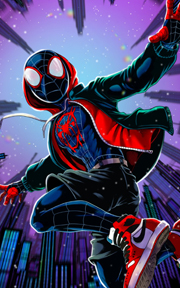
Miles isn’t compelling because a radioactive spider picks him. He’s compelling because he has to grow into the idea that he deserves the mantle. His entire arc in Into the Spider-Verse hinges on uncertainty, self-doubt, and the pressure of taking on a legacy that belongs to someone else first. His journey doesn’t work because he’s destined – it works because he chooses to leap even when he’s terrified.
Luke Skywalker

Luke is the genre blueprint, and even he works because of his personality, not because some prophecy called dibs on him. He’s impatient, idealistic, reckless, hopeful, deeply afraid of becoming his father… and willing to throw away Jedi orthodoxy to save the people he loves. What makes him iconic isn’t that he’s the last hope – it’s that his compassion becomes the galaxy’s salvation. Luke isn’t powerful because he’s chosen; he’s powerful because he keeps choosing the light.
The pattern here isn’t destiny. It’s humanity.
These characters endure because they’re not cardboard cutout heroes propped up by prophecy scaffolding. They feel real. They make mistakes. They resist the easy path. They struggle with the weight of the role. Their arcs aren’t about being special – they’re about earning what being special means.
The Chosen One trope falls apart when destiny does all the heavy lifting.
But when the character is complicated enough to turn destiny into a story engine, suddenly everything clicks.
We’re not watching a prophecy unfold. We’re watching a person grow.
Because at the end of the day, a Chosen One isn’t memorable because they’re chosen.
They’re memorable because of what they do with the choosing.
So… Should We Retire the Trope?
Not at all.
The solution to “Chosen One fatigue” isn’t to banish the trope to the Shadow Realm. It’s to write it better. Because the Chosen One trope isn’t outdated – it’s ancient, and that’s different. Ancient stories survive because they speak to something enduring in us. The Chosen One taps into the big, chewy themes humanity never gets tired of wrestling with:
- fate vs. choice
- pressure vs. agency
- identity vs. expectation
- the individual vs. the world’s demands
When storytellers treat “chosen” as the beginning of the journey, not the endpoint, the trope unlocks all of that rich tension. It becomes the spark that sets the character’s internal battle on fire, not the answer key to the test.
The problem was never the trope itself. The problem was that for years, creators used it like a narrative vending machine:
- Insert prophecy.
- Insert reluctant hero.
- Shake machine violently until world-saving powers drop out.
Voilà – instant epic. No assembly required.
But audiences don’t buy that anymore. We’re too genre-savvy. We’ve seen too many prophesied farm boys, too many reluctant wizards, too many special-born babies whose only personality trait is being the subject of a vague riddle.
Today’s audiences crave complexity. They want characters who struggle with destiny, argue with it, maybe even reject it. They want choices that matter more than lineage. They want arcs that feel earned, not assigned.
A Chosen One who’s handed a destiny is boring. A Chosen One who has to decide what that destiny means? That’s a story.
And when the trope leans into that – when it remembers that destiny isn’t the point, choice is – then yeah… it still kinda rules. Because at its best, the Chosen One trope isn’t about a prophecy coming true. It’s about a person becoming someone worth choosing.
And that?
That never goes out of style.