Writing
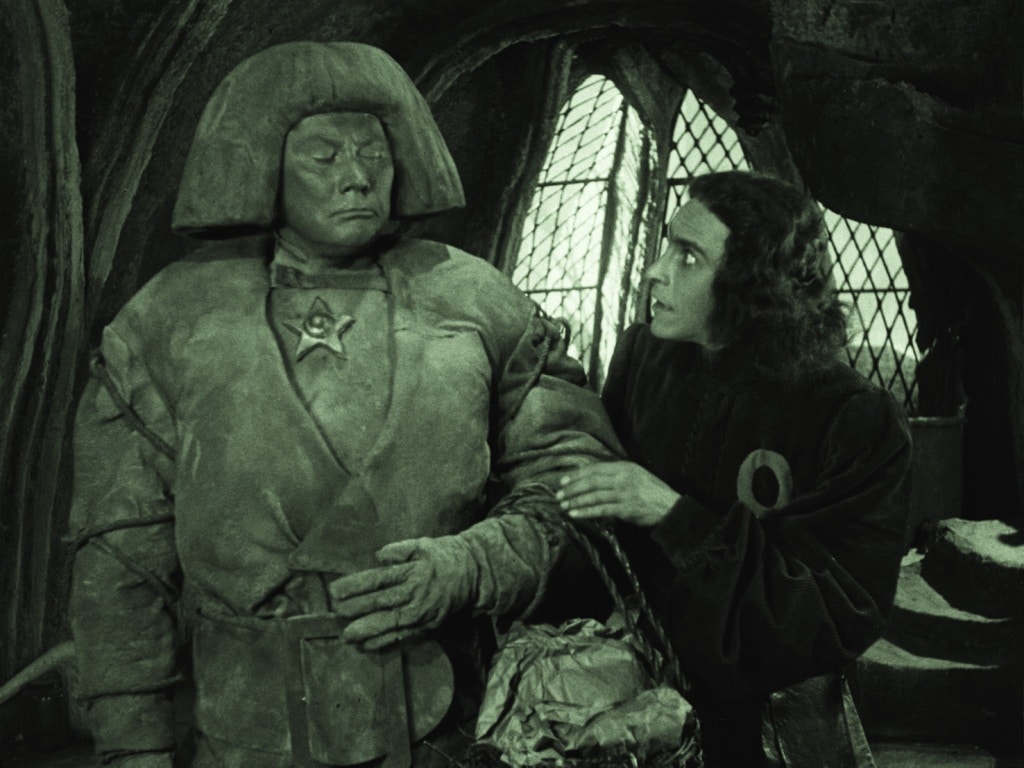

Bad Opening Lines (and 10 That Somehow Still Worked)
Some bad opening lines survive because they carry momentum. They promise more than they can deliver, then dare the story to catch up. Once it does, the clumsy beginning stops being a flaw and becomes a scar. Proof that sometimes a story doesn’t need a perfect first step, just the nerve to keep moving.
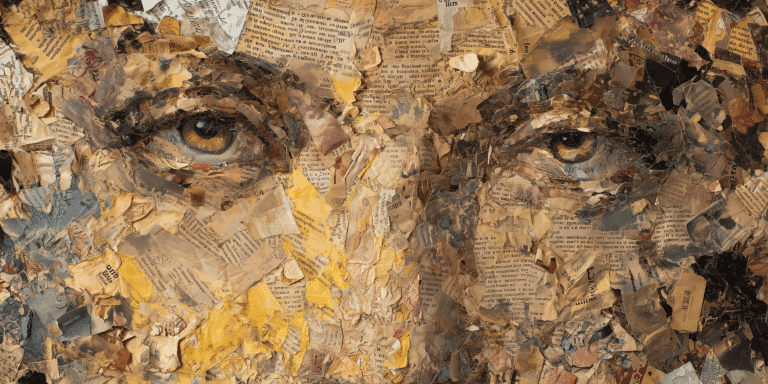
Intertextuality: The Ancient Secrets of How Stories Talk to Each Other
This guide is designed as a comprehensive, long-form resource on intertextuality—a term that sounds academic, but is something we engage with every time we recognize a reference, a homage, or a twist on a familiar story.
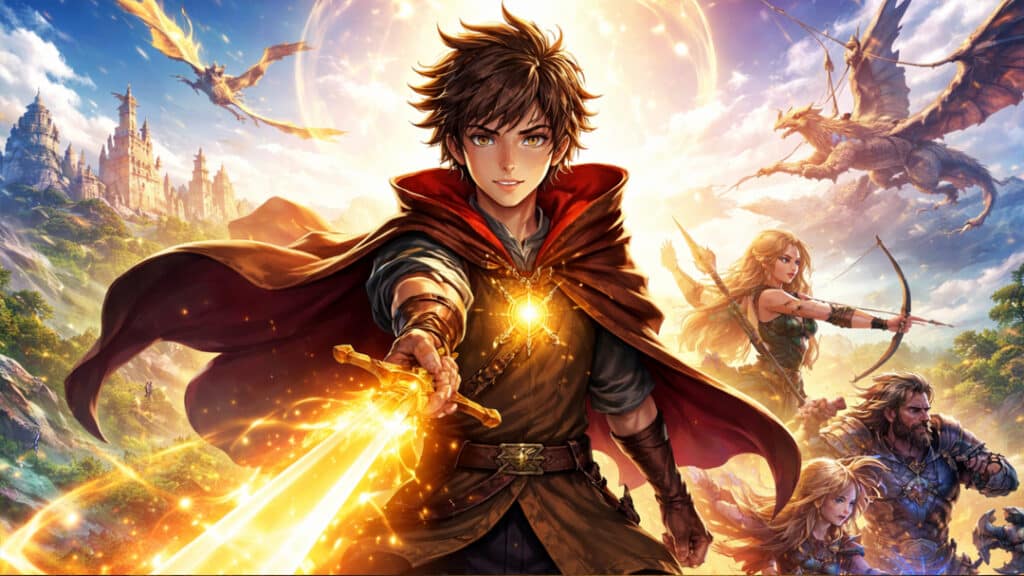
Why “The Chosen One” Trope Still Works (When Done Right)
The “Chosen One” trope never really left. It just learned new tricks. When handled with care, it’s less about destiny handed down from the heavens and more about pressure, doubt, and the cost of being singled out. The stories that still resonate aren’t asking who was born special, but what it means to carry that label and survive it intact.

The Physics of Impossible Things: Why Impossible Stories Make Sense in Fictional Worlds
Every impossible story runs on rules. They don’t need to be realistic, but they do need to be consistent. Break the logic, and the magic leaks out. Belief isn’t suspended in fiction. It’s engineered.

Epic Fantasy: Exploring the Complex World-Building
World-building in epic fantasy is an alchemical blend of geography, cultures, history, and magic.

The Art of Subtext: How Great Writers Master the Unspoken
The magic of storytelling often resides not in what is explicitly stated but in the unspoken–the subtext beneath the surface of a narrative.
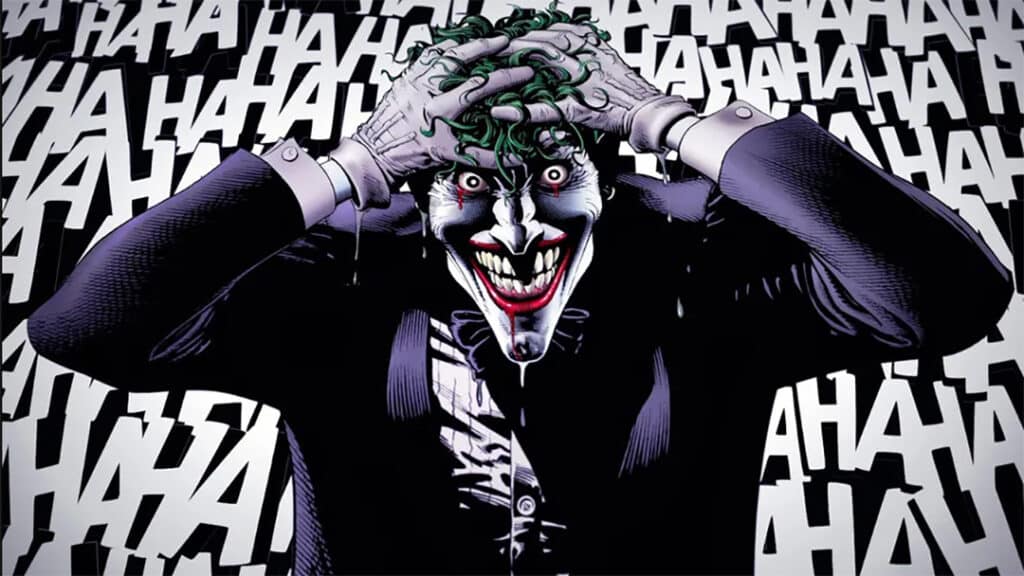
The Psychology of Villains: What Makes a Memorable Antagonist?
What is it about villains that makes them so compelling? The answer lies in the complex psychology of villains.