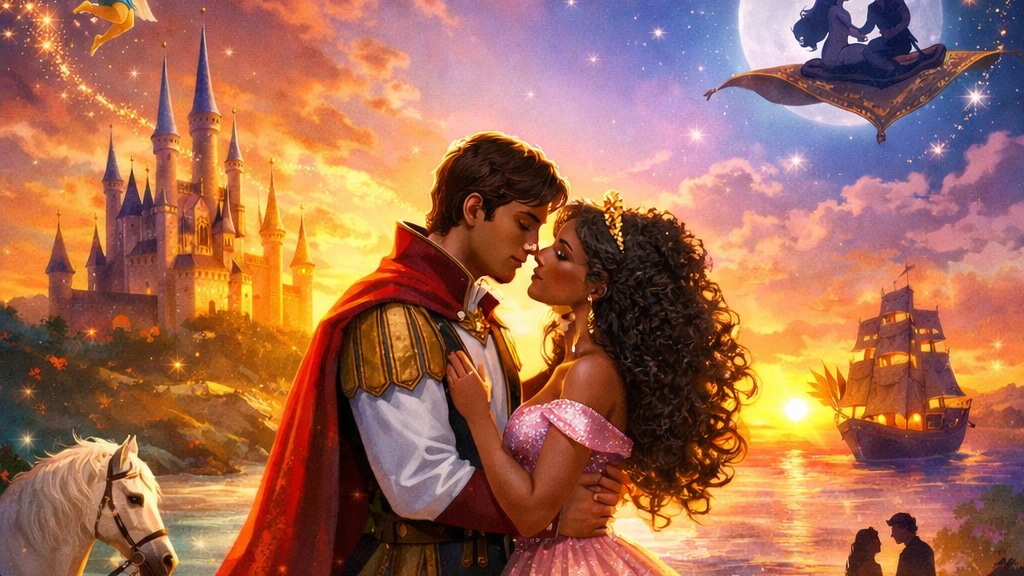
Romantic fiction may be one of the oldest genres in storytelling, but its staying power rivals even the most successful modern franchises. While superhero narratives dominate pop culture and sci-fi universes continue to expand, audiences repeatedly return to the same foundational love stories, rereading, rewatching, and reinterpreting them across generations.
From Shakespearean tragedy to Victorian novels and modern romantic epics, classic love stories refuse to fade into obscurity. They are endlessly adapted, debated, and reexamined, not because they promise perfection, but because they reflect emotional truths that remain strikingly relevant. These stories endure not by offering idealized romance but by exploring love as conflict, transformation, and consequence.
Here’s why some of the most iconic love stories in fiction still resonate today.
Romeo and Juliet: The Blueprint for Tragic Romance
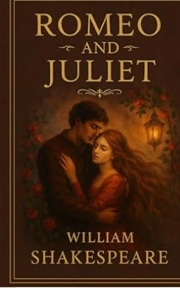
William Shakespeare’s Romeo and Juliet remains the definitive tragic love story, serving as the narrative template for countless romances that followed. Its influence can be seen everywhere, from modern teen dramas to blockbuster films built around forbidden love.
What keeps the story alive is not just its poetry, but its emotional urgency. Romeo and Juliet’s love is immediate, reckless, and all-consuming, mirroring the intensity of young love across eras. The tragedy lies not only in their deaths, but in the societal structures that make their love impossible.
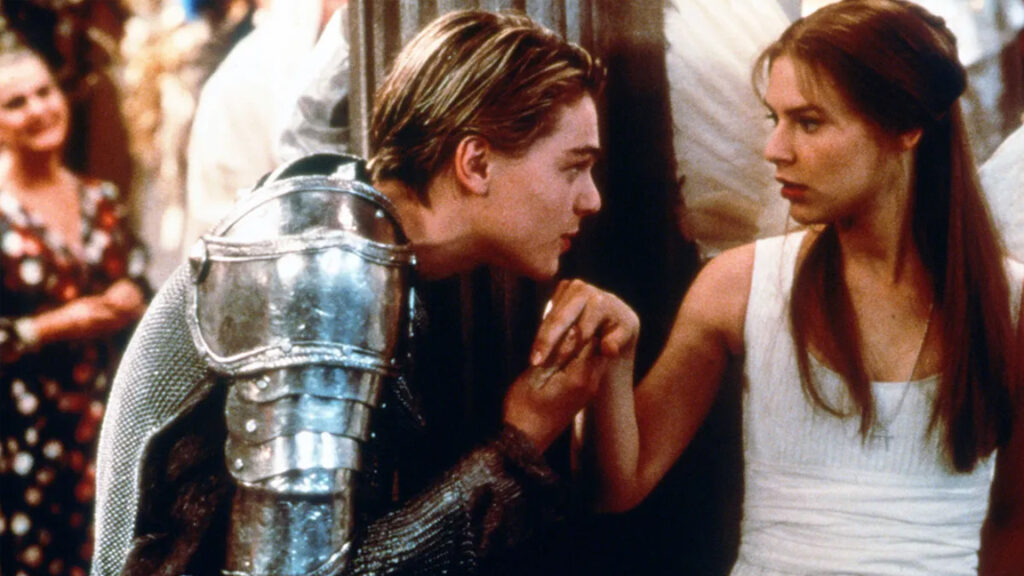
The play endures because it frames love as a force powerful enough to challenge generational hatred, yet fragile enough to be destroyed by it. That tension remains universally relatable.
Subscribe to Fictionphile
No spam. We never sell your info.
Pride and Prejudice: Romance Through Growth, Not Destiny
Jane Austen’s Pride and Prejudice offers a different kind of timeless appeal. Rather than relying on fate or instant attraction, the novel builds romance through self-awareness and personal evolution.
Elizabeth Bennet and Mr. Darcy’s relationship succeeds only after both characters confront their own flaws. Darcy must shed his pride, while Elizabeth must recognize her prejudices. This emphasis on emotional growth over romantic fantasy gives the story its lasting relevance.

In an era where slow-burn romances and character-driven storytelling dominate popular media, Pride and Prejudice feels remarkably contemporary. Its sharp social commentary and nuanced character arcs continue to influence modern romantic narratives.
Wuthering Heights: Love as Obsession and Ruin
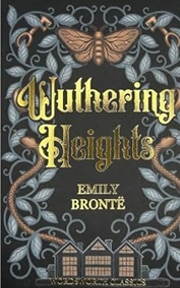
Emily Brontë’s Wuthering Heights stands apart from more traditional romances by refusing to romanticize love entirely. The relationship between Heathcliff and Catherine is passionate, destructive, and deeply unsettling.
Rather than presenting love as redemptive, the novel explores how obsession, resentment, and emotional dependency can devastate lives across generations. Heathcliff is neither hero nor villain, and Catherine is far from an idealized romantic lead.

The novel’s enduring power comes from its moral ambiguity and emotional intensity. It challenges readers to confront the darker sides of love, making it one of the most psychologically complex romances in literature.
Gone with the Wind: Romance Against the Backdrop of Collapse
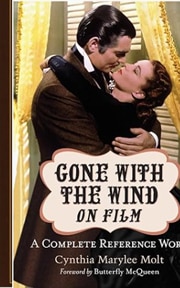
Margaret Mitchell’s Gone with the Wind places its central love story within the chaos of the American Civil War, blending historical upheaval with deeply personal conflict.
Scarlett O’Hara and Rhett Butler’s relationship is defined by pride, attraction, and emotional misalignment. Their love evolves, fractures, and ultimately collapses, reflecting how external pressures and internal flaws can sabotage even the strongest connections.
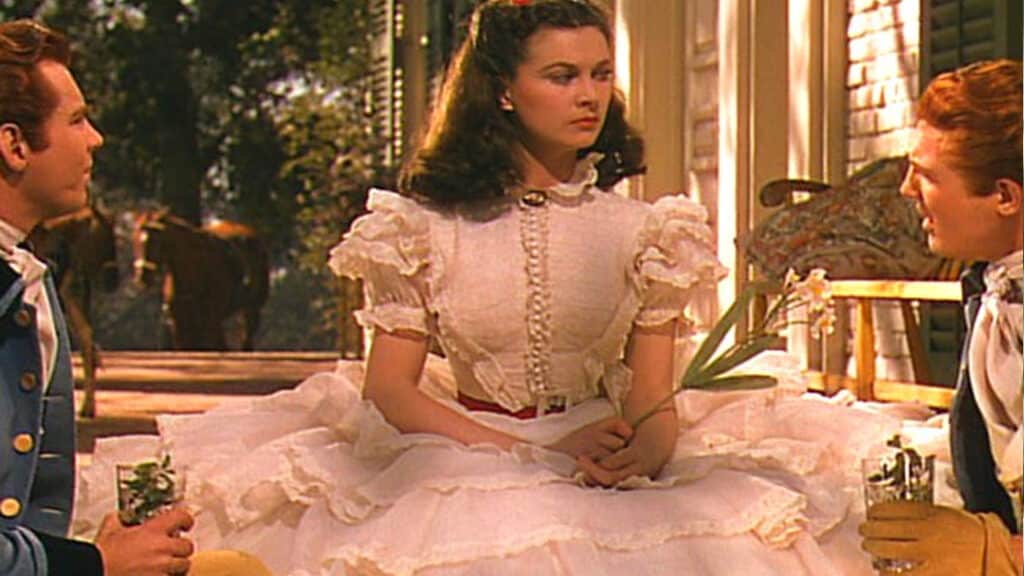
While the novel’s historical portrayal is often criticized, its depiction of romantic disillusionment remains compelling. Gone with the Wind endures because it acknowledges that love does not exist in a vacuum and is often shaped, and broken, by circumstance.
The Notebook: Enduring Love Across a Lifetime
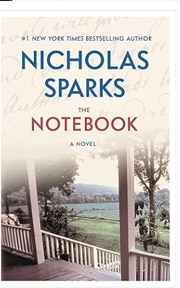
By showing the characters through different stages of life, the story proves that a classic love is built through persistence and care rather than just fleeting passion.
What resonates most with audiences is the novel’s portrayal of love as commitment rather than passion alone. By showing the characters through different stages of life, The Notebook suggests that lasting love is built through persistence and care.
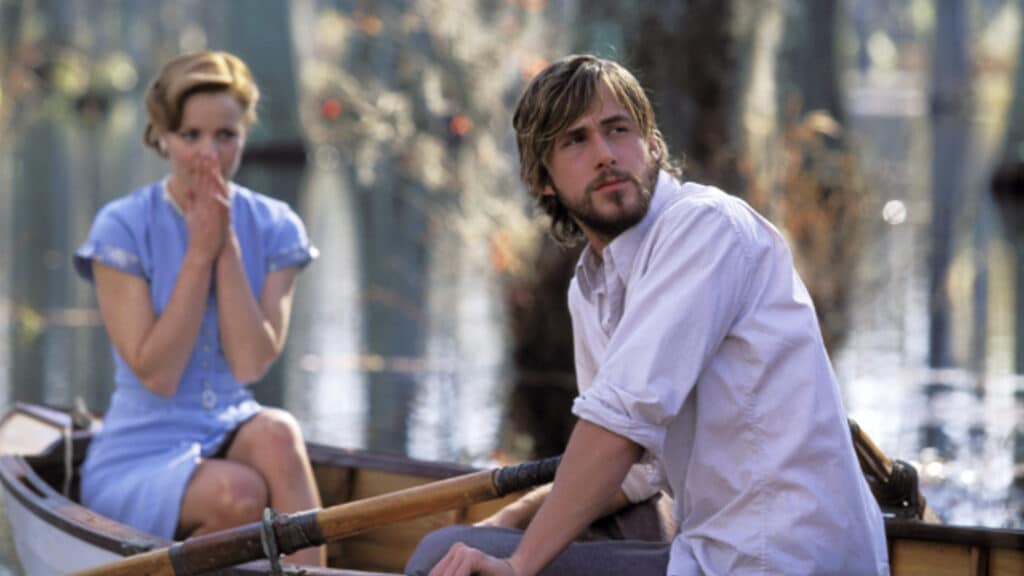
Its cultural impact was amplified by its film adaptation, cementing its place as a modern romantic classic that emphasizes emotional endurance over dramatic spectacle.
Jane Eyre: Love Without Compromise
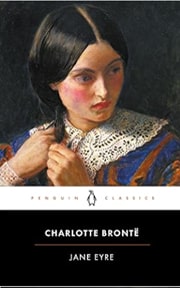
Charlotte Brontë’s Jane Eyre remains one of the most progressive love stories in classic literature. At its core is a romance that refuses to prioritize love over self-respect.
Jane’s relationship with Mr. Rochester is passionate, but it only succeeds once it becomes a partnership of equals. Jane repeatedly chooses her moral integrity and independence over romantic fulfillment, a decision that still feels radical.

The novel’s emphasis on autonomy, emotional honesty, and mutual respect ensures its continued relevance in modern discussions about healthy relationships.
Modern Day Examples
These modern retellings make one thing clear: timeless love stories don’t survive because of nostalgia alone. They endure because their emotional frameworks remain endlessly adaptable, capable of reflecting new anxieties, new social structures, and new ways of understanding intimacy. Whether set in dystopian futures, supernatural worlds, or grounded realism, contemporary romances continue to draw from the same foundational themes established centuries ago.
To understand why these stories remain so effective, it helps to return to their origins. Long before modern adaptations and genre reimaginings, classic love stories established the emotional frameworks that still shape romance today. Arcane echoes Romeo and Juliet by placing intimate emotional bonds in direct conflict with class warfare and ideological extremism, showing how relationships fracture not through personal failure, but because society refuses to heal its deepest divides.
These stories work because they understand that forbidden love isn’t about romance alone. It’s about exposing injustice.
Pride and Prejudice: Love as Emotional Maturity
At its core, Pride and Prejudice argues that love is not destiny. It is earned. Austen’s romance only succeeds once both leads confront their own flaws, a structure modern storytelling continues to embrace.
Bridget Jones’s Diary translates Austen’s social satire into modern insecurity. Mark Darcy’s emotional reserve and Bridget’s self-doubt mirror Austen’s original dynamic, proving that pride and prejudice thrive in cubicles just as easily as ballrooms.
Normal People strips romance down to its emotional bones. Miscommunication, vulnerability, and timing replace societal rules, but the core lesson remains the same. Love only works when both people grow into themselves.
Outlander uses time travel and historical danger to heighten emotional stakes. Claire and Jamie’s relationship succeeds because it’s built on respect, consent, and shared sacrifice, hallmarks of Austen’s most enduring romance.

Crazy Rich Asians modernizes class conflict through cultural expectation. The tension between individual desire and familial obligation mirrors Austen’s critique of social pressure, while still delivering a deeply earned romantic payoff.
These stories resonate because they insist that love without self-awareness is incomplete.
Wuthering Heights: When Love Becomes Destructive
Wuthering Heights endures because it refuses to frame love as healthy or redemptive. It examines obsession, emotional dependency, and the damage inflicted when love becomes identity.
Twilight adapts Brontë’s intensity into supernatural obsession. While the darkness is softened, the emotional logic remains. Love is consuming, isolating, and defining, for better or worse.
The Vampire Diaries thrives on moral ambiguity. Characters repeatedly choose passion over stability, reinforcing Brontë’s idea that desire often leads people to self-destruction.

Buffy the Vampire Slayer actively interrogates the cost of obsessive love. Buffy and Angel’s relationship mirrors Heathcliff and Catherine’s bond, but with a modern awareness of consequence and choice.
Blue Valentine removes gothic excess and replaces it with brutal realism. By charting love’s rise and collapse, it proves that obsession doesn’t need moors or ghosts to be devastating.
These retellings succeed because they don’t romanticize toxicity. They confront it. original narratives that shaped these emotional blueprints, it becomes clear why they continue to resonate and why audiences still can’t quit them.
Pride and Prejudice: Love as Emotional Maturity
At its core, Pride and Prejudice argues that love is not destiny. It is earned. Austen’s romance only succeeds once both leads confront their own flaws, a structure modern storytelling continues to embrace.
Bridget Jones’s Diary translates Austen’s social satire into modern insecurity. Mark Darcy’s emotional reserve and Bridget’s self-doubt mirror Austen’s original dynamic, proving that pride and prejudice thrive in cubicles just as easily as ballrooms.
Normal People strips romance down to its emotional bones. Miscommunication, vulnerability, and timing replace societal rules, but the core lesson remains the same. Love only works when both people grow into themselves.
Outlander uses time travel and historical danger to heighten emotional stakes. Claire and Jamie’s relationship succeeds because it’s built on respect, consent, and shared sacrifice, hallmarks of Austen’s most enduring romance.

Crazy Rich Asians modernizes class conflict through cultural expectation. The tension between individual desire and familial obligation mirrors Austen’s critique of social pressure, while still delivering a deeply earned romantic payoff.
These stories resonate because they insist that love without self-awareness is incomplete.
How Modern Retellings Successfully Translate Timeless Love Stories
Modern love stories may dress these themes in new genres and aesthetics, but their emotional DNA is unmistakably old. Strip away the dystopias, supernatural elements, and contemporary settings, and the same foundational conflicts remain. These narratives work because they’re not reinventing romance, they’re refining it.
To see why these stories continue to resonate, it’s worth going back to the originals. The classic love stories that shaped these archetypes didn’t just influence modern romance. They defined it.
How Modern Retellings Successfully Translate Timeless Love Stories
Modern love stories may dress these themes in new genres and aesthetics, but their emotional DNA is unmistakably old. Strip away the dystopias, supernatural elements, and contemporary settings, and the same foundational conflicts remain. These narratives work because they’re not reinventing romance, they’re refining it.
To see why these stories continue to resonate, it’s worth going back to the originals. The classic love stories that shaped these archetypes didn’t just influence modern romance. They defined it.
Romeo and Juliet: Forbidden Love That Challenges the System
The enduring power of Romeo and Juliet comes from its framing of love as an act of rebellion. The romance doesn’t exist in a vacuum. It actively threatens entrenched power structures, whether those are families, governments, or social hierarchies.

Titanic
How Modern Retellings Successfully Translate Timeless Love Stories
The lasting power of Romeo and Juliet lies in its portrayal of love as a form of rebellion. Romeo and Juliet’s romance does not exist in isolation. It directly threatens entrenched power structures, whether those structures take the form of feuding families, rigid social hierarchies, or ideological divides.
Titanic translates this conflict by replacing family rivalry with class division. Jack and Rose’s relationship is forbidden not by hatred, but by an economic system designed to enforce separation. Their love feels urgent because the world around them is literally collapsing, reinforcing Shakespeare’s idea that love burns brightest when time is limited.
West Side Story modernizes the Montague-Capulet feud into gang warfare, demonstrating that generational hatred can be lethal without swords. By grounding the tragedy in social and racial tension, the story highlights how systems of violence repeatedly sacrifice young love.

The Hunger Games elevates forbidden romance into a political threat. Katniss and Peeta’s relationship destabilizes an authoritarian regime by exposing the cruelty at its core. Like Shakespeare’s lovers, their affection reveals the moral bankruptcy of the world determined to crush it.
Arcane echoes Romeo and Juliet by placing emotional bonds in direct opposition to class warfare and ideological extremism. Relationships fracture not because of personal failure, but because society refuses to reconcile its deepest divisions.
These stories succeed because they understand that forbidden love is never just about romance. It is about resistance, exposure, and injustice.
Pride and Prejudice: Love as Emotional Maturity
At its heart, Pride and Prejudice argues that love is not destiny. It is earned. Austen’s romance only succeeds once both Elizabeth Bennet and Mr. Darcy confront their own flaws, a structure that modern storytelling continues to embrace.
Bridget Jones’s Diary translates Austen’s social satire into contemporary insecurity. Mark Darcy’s emotional reserve and Bridget’s self-doubt mirror the original dynamic, proving that pride and prejudice thrive in cubicles just as easily as in ballrooms.
Normal People strips romance down to its emotional core. Miscommunication, vulnerability, and timing replace rigid social rules, but the lesson remains unchanged. Love only works when both people grow into themselves.
Outlander heightens Austen’s themes through time travel and historical danger. Claire and Jamie’s relationship is built on respect, consent, and mutual sacrifice, hallmarks of Austen’s most enduring romantic ideals.

Crazy Rich Asians modernizes class conflict through cultural expectation. The tension between personal desire and familial obligation mirrors Austen’s critique of social pressure while still delivering a deeply earned romantic payoff.
These stories resonate because they insist that love without self-awareness is incomplete.
Wuthering Heights: When Love Becomes Destructive
Wuthering Heights endures because it refuses to frame love as healthy or redemptive. Instead, it examines obsession, emotional dependency, and the damage inflicted when love becomes identity.
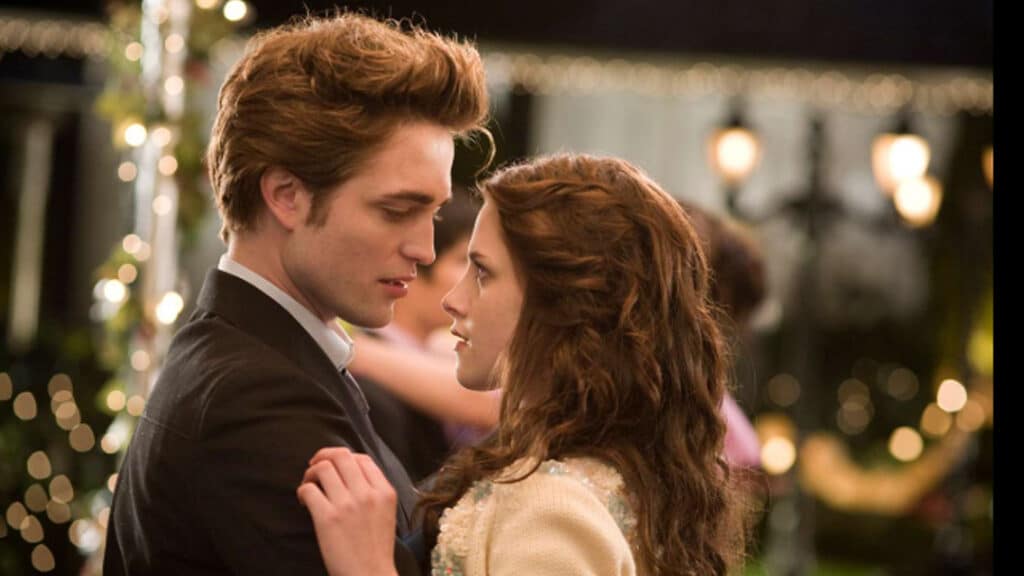
Twilight adapts Brontë’s intensity into supernatural obsession. While the darkness is softened, the emotional logic remains intact. Love is consuming, isolating, and defining, for better or worse.
The Vampire Diaries thrives on moral ambiguity, repeatedly allowing characters to choose passion over stability. This reinforces Brontë’s belief that unchecked desire often leads to self-destruction.
Buffy the Vampire Slayer actively interrogates the cost of obsessive love. Buffy and Angel’s relationship mirrors the bond between Heathcliff and Catherine, but with a modern emphasis on consequence and choice.
Gone with the Wind: Love Tested by Survival
The romance in Gone with the Wind is inseparable from the collapse. Love does not flourish in peace. It mutates under pressure.
Cold Mountain captures how war distorts devotion, forcing characters to choose between survival and loyalty.
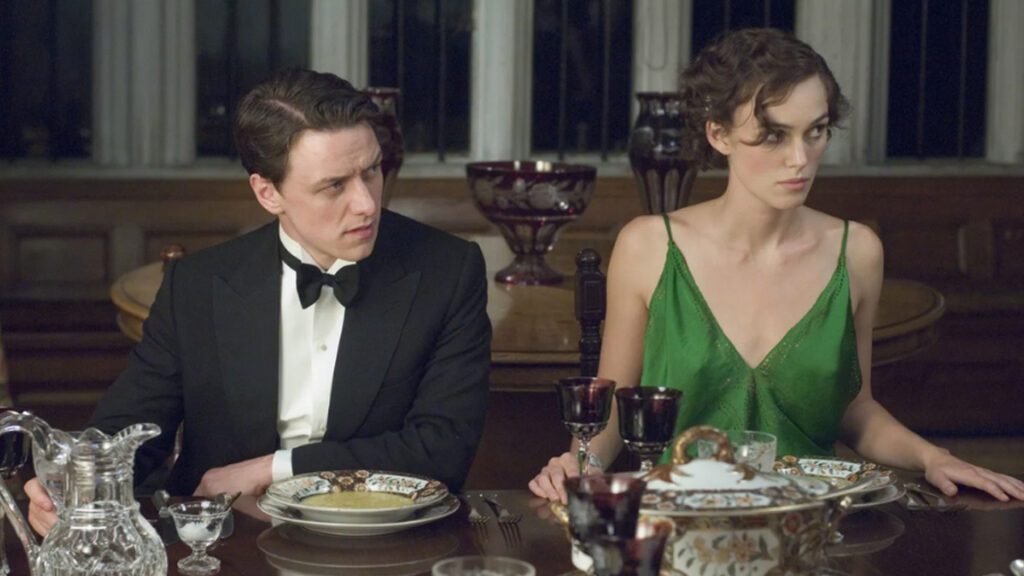
Atonement emphasizes how timing and irreversible mistakes can permanently derail love, echoing the tragic misalignment between Scarlett O’Hara and Rhett Butler.
The English Patient frames romance as fleeting against geopolitical catastrophe, reinforcing the idea that love does not always outlast history.
These stories work because they treat love as vulnerable to circumstance, not immune to it.
The Notebook: Love as Commitment, Not Fantasy
What makes The Notebook timeless is its insistence that love is sustained, not spontaneous.

Eternal Sunshine of the Spotless Mind challenges the idea of destiny by erasing memory, only to reveal that emotional connection persists beyond logic.
Before Sunrise uses time itself as the antagonist, proving that intimacy is built through shared experience rather than grand gestures.

Marriage Story examines enduring love through dissolution, showing that emotional truth can exist even when romance fails. These stories succeed by portraying love as a choice repeatedly made, not a single defining
Jane Eyre: Love Without Self-Erasure
Jane Eyre remains radical because it demands equality in love.
Fleabag mirrors Jane’s refusal to disappear into romance, choosing self-knowledge over emotional dependency.
Little Women The novel’s emphasis on autonomy ensures its place among the most essential classic love stories for modern readers.
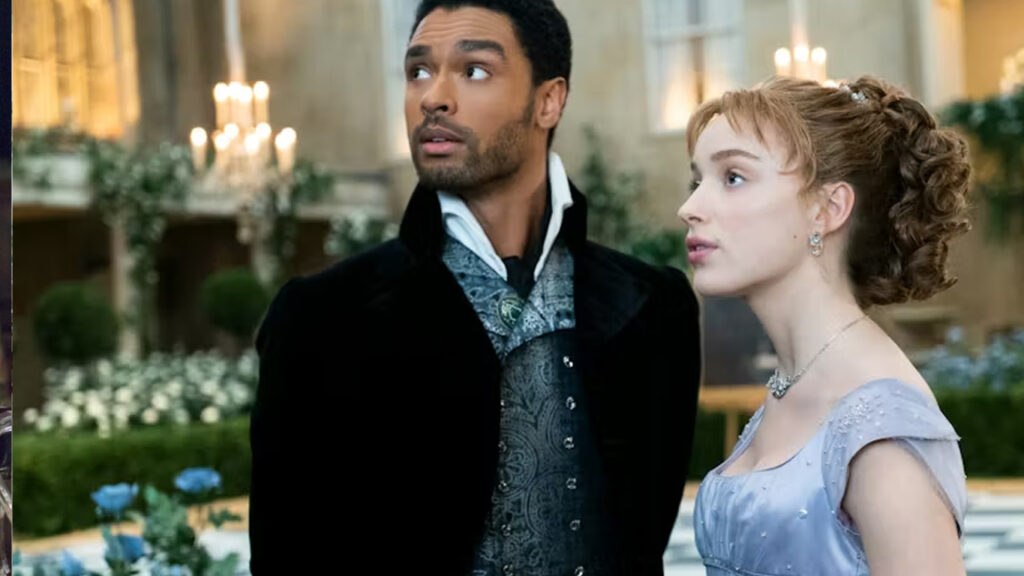
Bridgerton modernizes restrictive social norms while centering consent, agency, and emotional equality.
These retellings succeed because they preserve the idea that love must never come at the cost of identity.
Why These Classic Love Stories Still Matter
Classic love stories endure not because they promise happy endings, but because they explore emotional truths that remain constant. They depict love as transformative, destructive, empowering, and imperfect, often all at once.
These narratives continue to resonate because they reflect the complexities of human relationships rather than idealized romance. Across centuries and genres, they remind audiences that love is rarely simple, but always meaningful.
In a media landscape defined by reinvention and reboots, these stories persist because their emotional core remains timeless. No matter the era, love continues to be one of storytelling’s most powerful forces, and one audiences simply can’t quit.