Fantasy loves a familiar face. Flip open almost any modern novel, game, or TTRPG bestiary and you’ll see a lot of the same roster of fantasy creatures staring back at you: vampires, werewolves, dragons, fairies, and summoned things born of the unknown.
We see these creatures so often, and their original subtext has been so thoroughly sanded down by adaptation, that it’s easy to treat their origins as trivia. They’re not. Every one of them was born from something real—fear, belief, darkness, triumph. The goal isn’t to preserve their histories in a tapestry—it’s to unravel it in order to recontextualize and reimagine them for new audiences.
Vampires: From Death Itself to Dangerous Lover
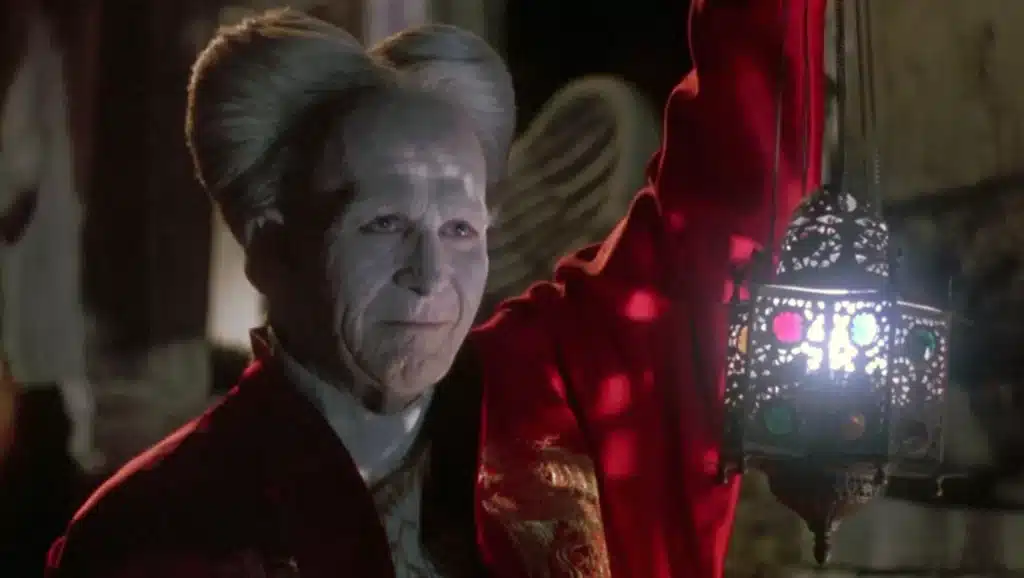
Before Dracula made vampirism glamorous, the vampire was simply what happened when the dead refused to stay that way. Slavic folklore described bloated, ruddy corpses rising from graves to drain the life of their own families—a far cry from the seductive and tragic “glampires” of today.
The creature was a vessel for anxieties about plague, premature burial, and the terrifying unpredictability of death. It took the 19th century Gothic literary tradition, and eventually, Bram Stoker, to drape the vampire in aristocracy and eroticism.
By the time Interview with the Vampire and Twilight arrived, the monster had completed its arc from rotting peasant nightmare to the sexiest form of evil imaginable.
Werewolves: Divine Punishment to Tortured Anti-Hero
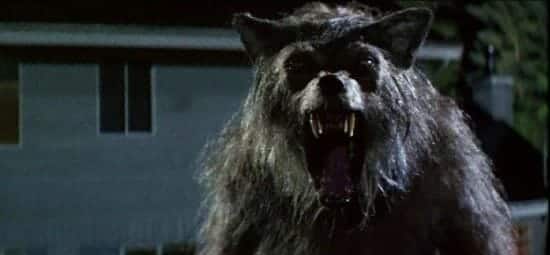
Though many might attribute the origins of the werewolf to Native American culture (mostly thanks to Stephenie Meyer…again) the werewolf’s oldest known origin is Greek. King Lycaon was transformed into a wolf by Zeus as punishment for serving human flesh at a divine banquet.
From there the mythology spread and darkened. Norse warriors called úlfhéðnar channeled the wolf’s fury in battle, and medieval Europe treated lycanthropy as either demonic possession or God’s judgment, depending on the whims of the church. In all scenarios, the creature was a punishment and was never meant to be sympathized with.
This is partially why the turn of the modern werewolf is so fascinating. It has become almost exclusively the domain of the tortured anti-hero—someone fighting the monster inside rather than embodying it.
European Dragons: Chaos With Wings
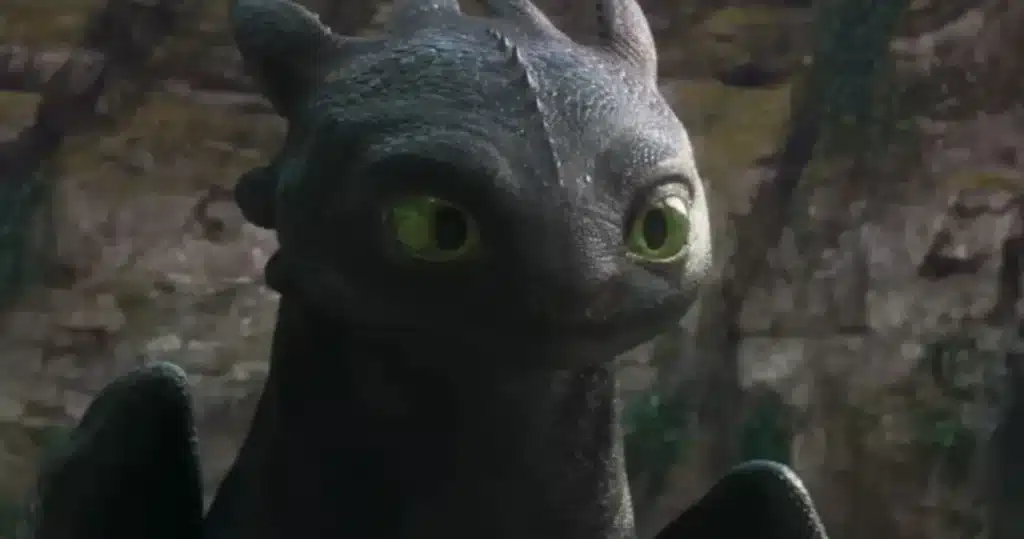
If you’ve ever seen The Dragon Paradox by Curious Archive (and if you haven’t, you really should), dragons are “messy.” Collapsing every vaguely winged or serpent-shaped beast across every culture into one label is a categorical convenience, not an honest one.
So let’s be specific and talk about the European dragon, the one most people think of when they look at fantasy media from the last few decades. These creatures were evil incarnate, representing the deadliest sins of man—pride, greed, wrath. It hoarded, it burned, and it stole maidens from their tall towers.
It’s no surprise, then, that the dragon became the symbol of divine ordeals and challenges to be overcome. From the Norse Fáfnir to the dragons of Arthurian legend, these creatures existed as the perfect foil for knights in shining armor and heroes of legend.
Of every creature on this list, dragons are the ones who have resisted change the most. From Game of Thrones to Dungeons & Dragons, they’re still seen as the apex creature of fantasy. Perhaps this near-pristine image speaks to the untamed power dragons command.
Fey Creatures: The Haunting Aliens of Fantasy
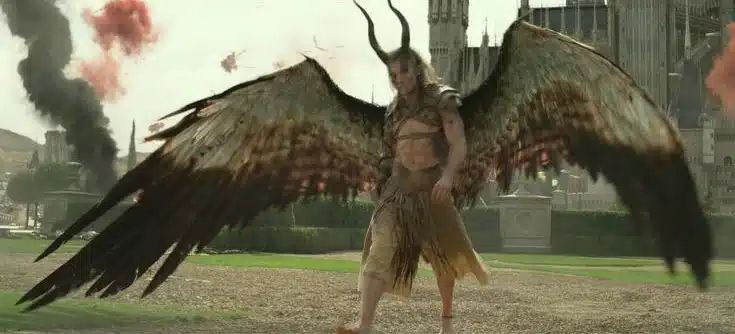
You can thank Disney and other well-meaning modern fantasy authors for turning the fey into glittering woodland companions and primeval sex machines. The original fairy was something else entirely: unknowable, fickle, and genuinely dangerous. They stole children, led travelers to their deaths, and operated by rules so foreign they might as well have been extraterrestrial.
The fey weren’t whimsical—they were the darkness between the trees, the curse for stepping on cracks, the reason you never follow the voices in the dark. They are, in the truest sense, the aliens of folklore—beings from another world, following logic that defies human morality.
Summoned Things: The Monsters We Invited In
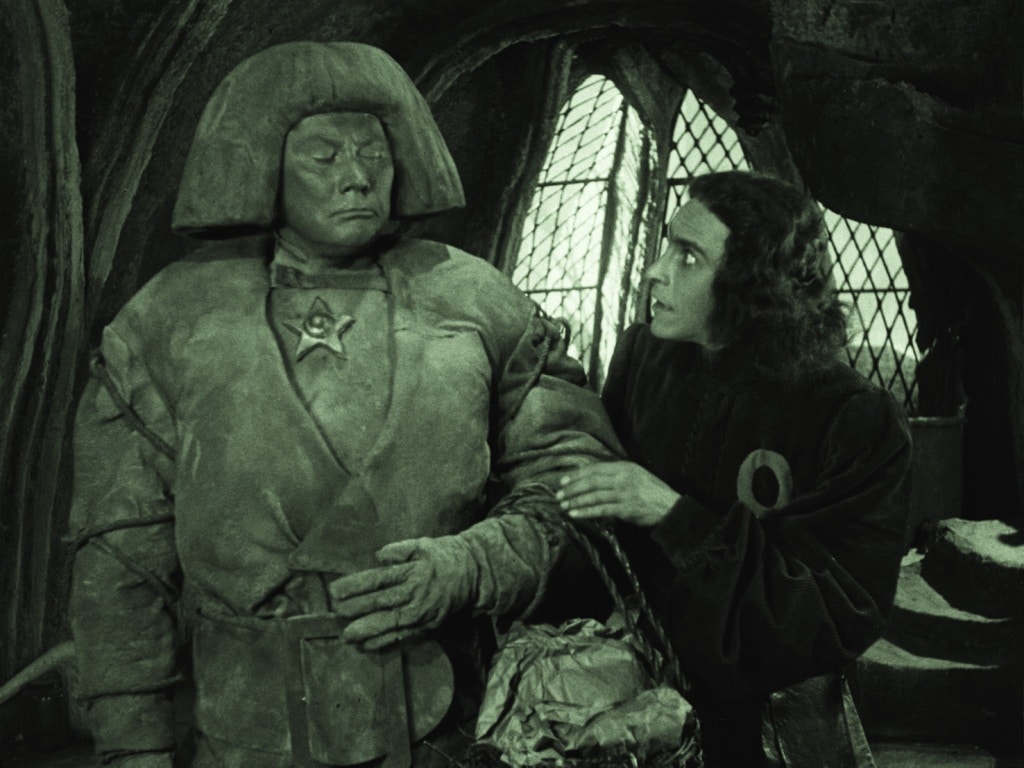
Like dragons, there’s another type of creature that can be seen across almost every ancient culture. Since time immemorial, humans have believed (and still believe) that there are “things” living in the margins of our reality, just out of reach for all but the most avid and powerful of us.
In the Middle East, the Djinn are bound to objects. In most of Europe and the Americas, demons are called by name and angels are dispatched by the divine. In Hebrew myth, Golems are animated by sacred words as protectors.
What unites all of them isn’t their origin but the human impulse to name what frightens us, bind it, and put it to work—to feel control over powers beyond imagining. In this way, the monster isn’t the thing being called—it’s the person standing in the mirror whispering in the dark.
Pulling the Thread
Monsters aren’t set dressings—they’re beings of intertextuality. Every creature on this list started as an answer to a question humans couldn’t solve. What happens to the dead? What makes those sounds in the woods? Where does evil come from? The monsters that survived long enough to become fantasy staples did so because they were more than flesh and bone—each one became psychology and culture simultaneously.
As a lover of fiction, a storyteller, or a monster enthusiast, this is the thread worth pulling. Stripping a mythical creature to its original function, whether it’s the emotion it embodied or the philosophical truth it shone a light on, is required to truly understand it. And when you do that? You’re ready to create something new, iconic, and equally terrifying. Showing someone who they are inside is one of the most compelling ways to engage an audience—bonus points if it has claws and fangs.
