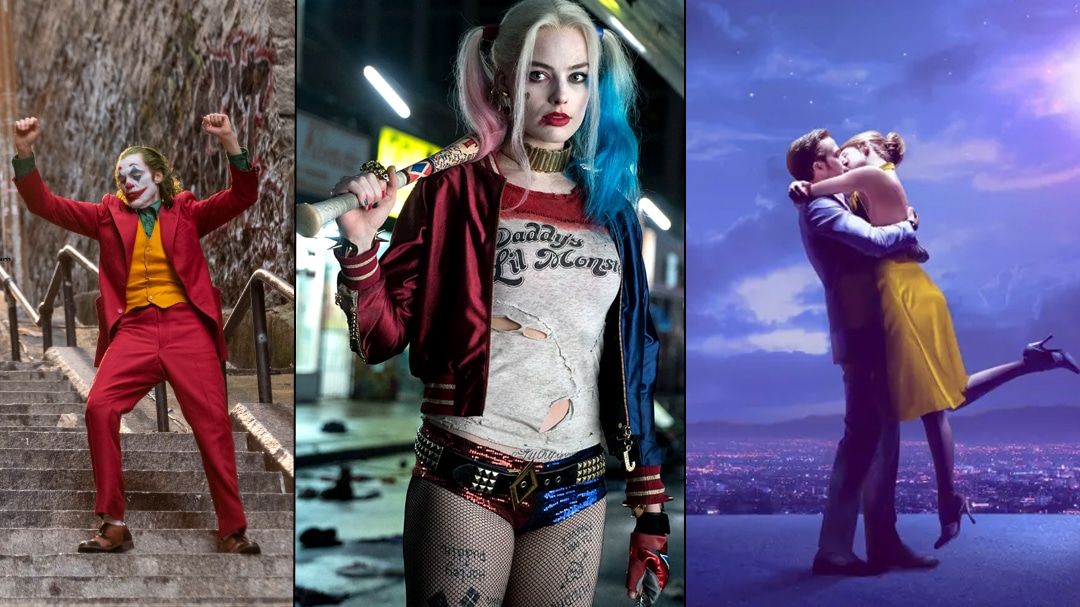
Movies don’t age in a vacuum. As culture shifts, so does the way audiences engage with them, and not every film keeps up, which is why conversations about movies that aged badly keep resurfacing
These films still matter, not because they aged well, but because they reveal what audiences once accepted without much pushback. Revisiting them isn’t about tearing them down; it’s about recognizing how much the conversation has changed.
That ongoing reassessment is part of what keeps pop culture relevant, and why these movies are still being talked about at all.
The Blind Side (2009): One of the Movies That Aged Worse Than Its Reputation

Initially embraced as a feel-good true story, The Blind Side was praised for its warmth, accessibility, and easy emotional payoff. It framed itself as an inspirational story about kindness and opportunity, becoming a box-office hit and an awards-season favorite in the process. At the time, its straightforward messaging felt like a feature, not a flaw, the kind of simplicity audiences welcomed without much resistance.
With hindsight, that simplicity hasn’t held up, placing the film firmly among movies that aged badly as cultural expectations shifted.
The film tells its story almost entirely through the perspective of the Tuohy family, especially Leigh Anne, leaving Michael Oher largely on the sidelines of his own narrative. His intelligence, agency, and personal drive are consistently downplayed in favor of portraying him as someone who needs guidance and protection. As a result, the movie leans heavily on a familiar white-savior framework, where the helpers’ emotional growth takes priority over the person being helped’s lived experience.
What once felt uplifting now feels carefully packaged to make audiences comfortable. Issues of race, class, and systemic inequality are softened or avoided, replaced by a version of events that suggests good intentions and personal generosity are enough to overcome deeply rooted barriers. That framing turns a real person’s life into something closer to a moral fable than a nuanced biography, a common trait shared by many movies that aged badkyunder modern scrutiny.
Time didn’t create these problems. It just made them harder to overlook.
As conversations around representation and authorship have evolved, the imbalance at the heart of The Blind Side has become impossible to ignore. The film never questions its own point of view, and that lack of self-awareness now defines its legacy more than its inspirational messaging ever did.
Subscribe to Fictionphile
No spam. We never sell your info.
The Hangover (2009): Shock Humor and Its Problems
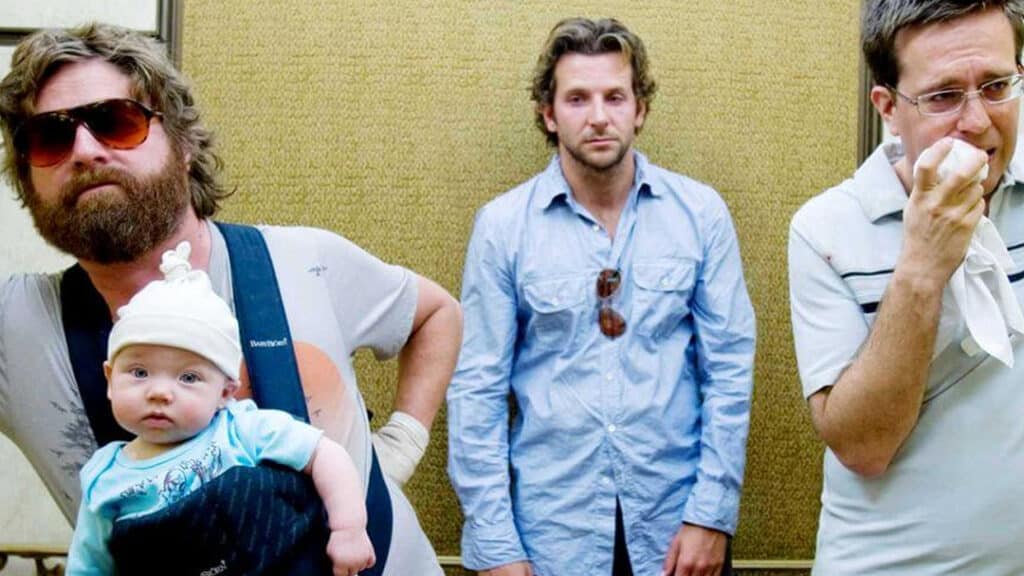
When it hit theaters, The Hangover felt like a comedy miracle. Its shock humor, outrageous set pieces, and chaotic energy turned it into an instant cultural event, endlessly quoted and aggressively imitated. At the time, its anything-goes attitude was seen as refreshing, even rebellious, a sharp break from safer studio comedies.
A rewatch tells a different story, and the film now sits comfortably among movies that aged badly as comedic standards shifted.
Many of the movie’s biggest laughs rely more on cruelty than cleverness, with humor built around humiliation, stereotypes, and shock-value punchlines aimed at marginalized groups. Jokes that once played as edgy now feel lazy, especially moments that lean on transphobic disgust or treat emotional harm as acceptable collateral damage in the name of a laugh.
That doesn’t mean the film is without strengths. The pacing is tight, the cast is fully committed, and the mystery-style structure still holds together. But those elements can’t fully compensate for how often the comedy punches down or mistakes excess for insight. The jokes land fast, but they don’t leave much room for reflection, a flaw shared by many movies that aged badly when shock value outpaces substance.
The Hangover still has energy, but it’s the energy of a very specific moment in pop culture. One where shock was enough, and outrage was part of the appeal. Time didn’t drain the movie of momentum; it just changed what audiences expect comedy to do with it.
Crash (2004): When Important Movies That Aged Badly Refuse to Learn
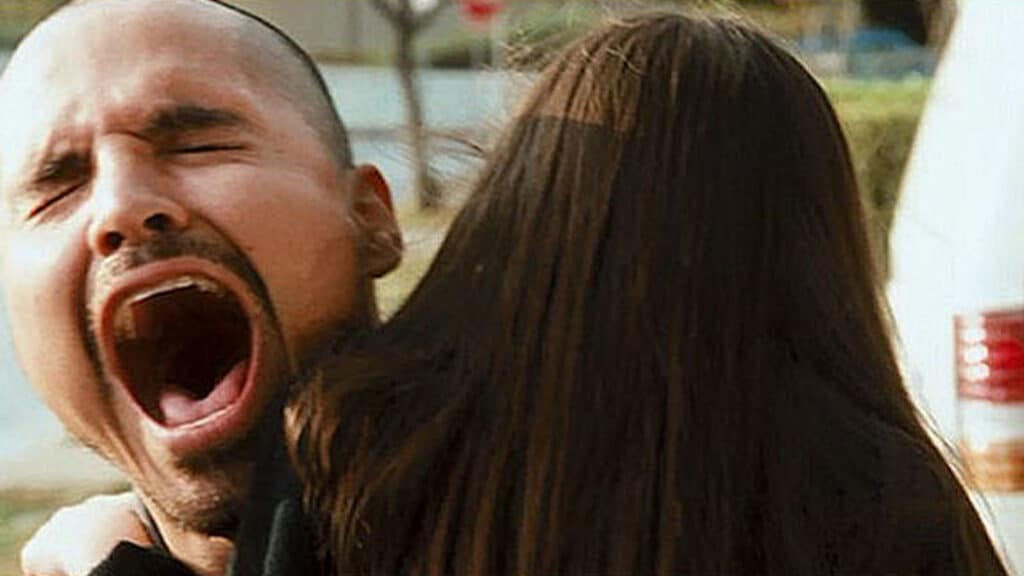
Often revisited because of its controversial Best Picture win, Crash has not aged well in modern conversations about race, identity, and power. When it was released, the film was praised for confronting prejudice head-on, positioning itself as bold, fearless, and unafraid to make audiences uncomfortable.
Looking back, that boldness feels more like performance than insight, placing Crash among movies that aged badly as cultural conversations matured.
Rather than exploring the complexities of racism, Crash reduces them to a series of blunt moral exchanges. Characters function less like real people and more like vehicles for messages, cycling through moments of cruelty and redemption with little grounding. Racism is treated as a universal personal flaw rather than a systemic issue, flattening deeply rooted inequalities into a simplistic idea that “everyone is equally at fault.”
The film’s interconnected structure, once considered ambitious, only amplifies the problem on rewatch. Characters swing dramatically between bigotry and empathy, sometimes within the same scene, not because of believable growth, but because the story demands an emotional beat. These turns feel less like character development and more like shortcuts designed to force reactions, a pattern common to movies that aged badly when the message takes priority over meaning.
As conversations around race have become more nuanced, Crash feels increasingly out of step. Its insistence on moral equivalence and tidy resolutions undermines the complexity of the issues it claims to examine. What was once labeled “brave” now comes across as simplistic, a reminder that loudly tackling serious subjects isn’t the same as tackling them thoughtfully.
Joker (2019): A Case Study in Movies That Aged Poorly Through Ambiguity
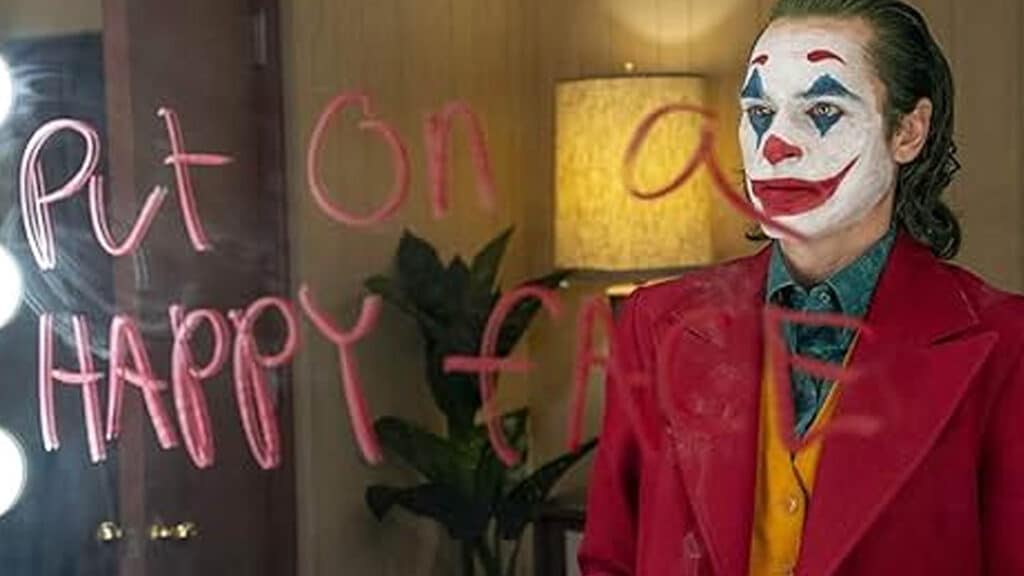
Praised for its intensity and Joaquin Phoenix’s performance, Joker arrived as more than just another comic book movie. It positioned itself as a gritty character study, borrowing heavily from 1970s psychological dramas and presenting a stripped-down, grim portrait of alienation. Phoenix’s transformation was widely celebrated, anchoring the film with a sense of raw discomfort that felt daring within the superhero genre.
Almost immediately, Joker became a cultural flashpoint, and over time, it joined the growing list of movies that aged badly as public discourse evolved.
While some viewers saw it as a critique of societal neglect and institutional failure, others questioned what the film was actually saying and who it was speaking to. As time passed, criticism grew around its murky messaging, particularly its tendency to blur the line between empathy and endorsement. Arthur Fleck’s isolation and rage are explored in detail, but the film offers little critical distance, often lingering on his descent in ways that feel less interrogative and more aestheticized.
The unease intensified as real-world conversations about radicalization, masculinity, and violence evolved. Joker doesn’t cause those issues, but its framing made many viewers uncomfortable because it flirts so closely with romanticizing grievance and victimhood. The movie asks audiences to understand its protagonist without clearly defining where understanding should stop, a tension that increasingly defines movies that aged badly when ambiguity replaces accountability.
That ambiguity was once defended as depth. Over time, it began to feel like avoidance.
The film didn’t change. The conversation around it did, dramatically. As cultural awareness sharpened, Joker became a case study in how tone, context, and timing can transform a movie’s reception long after its release, especially when a film invites interpretation but refuses responsibility for it.
Green Book (2018): Oscar Gold and Why Some Movies That Aged Badly Still Win
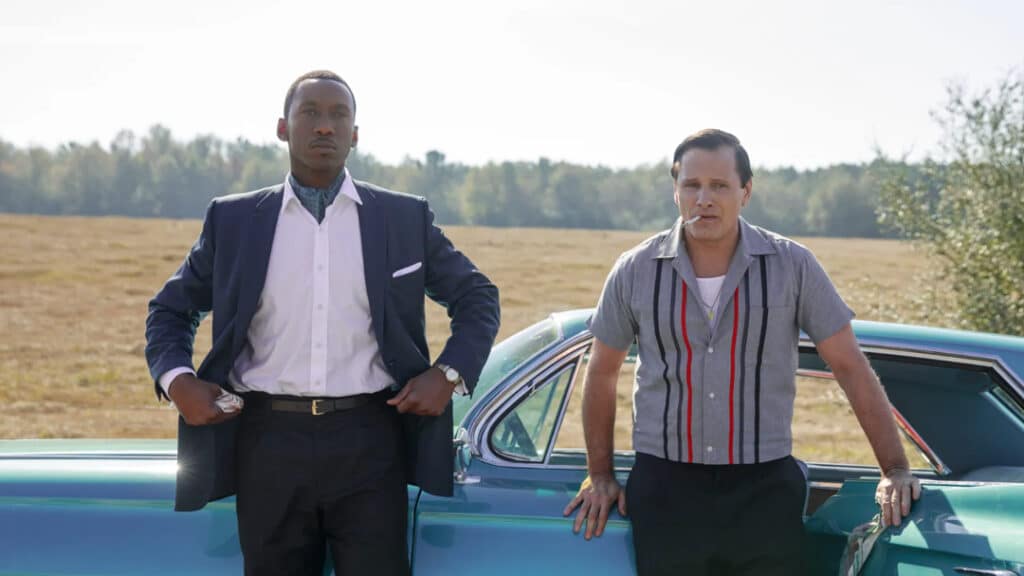
Praised on release as a warm, crowd-pleasing drama, Green Book was embraced as a story of personal growth and unlikely friendship, earning major awards and positioning itself as a feel-good corrective to America’s racial past. Its gentle tone, accessible humor, and emphasis on individual connection made it easy to celebrate, especially for audiences drawn to narratives of reconciliation. At the time, those qualities were framed as strengths. With distance, however, Green Book has increasingly been grouped among movies that aged badly, not because its intentions were overtly harmful, but because its approach now feels profoundly limited.
The film tells its story almost entirely through the perspective of its white protagonist, Tony Vallelonga, using racism primarily as a catalyst for his personal enlightenment. Don Shirley, despite being the subject of the tour and the figure around whom the narrative ostensibly revolves, is often positioned as emotionally distant, socially isolated, and in need of translation for the audience. His interior life, cultural complexity, and autonomy are flattened in service of a more familiar arc: the transformation of the person learning to be less prejudiced. That imbalance mirrors a broader pattern found in many movies that aged badly, where marginalized characters exist less as fully realized people and more as instruments for someone else’s moral growth.
What further complicates the film’s legacy is its treatment of racism as a series of discrete, solvable moments rather than a systemic force. Bigotry appears in the form of rude encounters and personal slights, obstacles that can be overcome through exposure, kindness, and shared meals. Structural power, institutional exclusion, and historical context remain largely offscreen. The implication is that racism is primarily a matter of attitude, not infrastructure. While that framing once felt palatable, it now reads as evasive, particularly as public conversations have shifted toward recognizing how deeply embedded inequality actually is.
Questions of authorship and authenticity have also reshaped how the film is received. Criticism from Don Shirley’s family regarding the accuracy of his portrayal added another layer of discomfort, highlighting how the film speaks about Black experience rather than from within it. This distance contributes to the sense that Green Book prioritizes audience reassurance over lived truth, offering a version of history that is easier to digest than to interrogate. Like many movies that aged badly, it reveals how feel-good storytelling can inadvertently reinforce the very hierarchies it claims to soften.
In retrospect, Green Book functions less as a bridge between perspectives and more as a snapshot of what mainstream awards culture was willing to reward at the time. Its decline in critical esteem doesn’t erase its craft or performances, but it does clarify its limitations. The film didn’t change. The conversation around race, representation, and narrative ownership did. And in that shift, Green Book became a clear example of how comfort-driven storytelling can struggle to endure once audiences begin asking harder questions.
Passengers (2016): Romance, Consent, and Movies That Get Worse on Rewatch
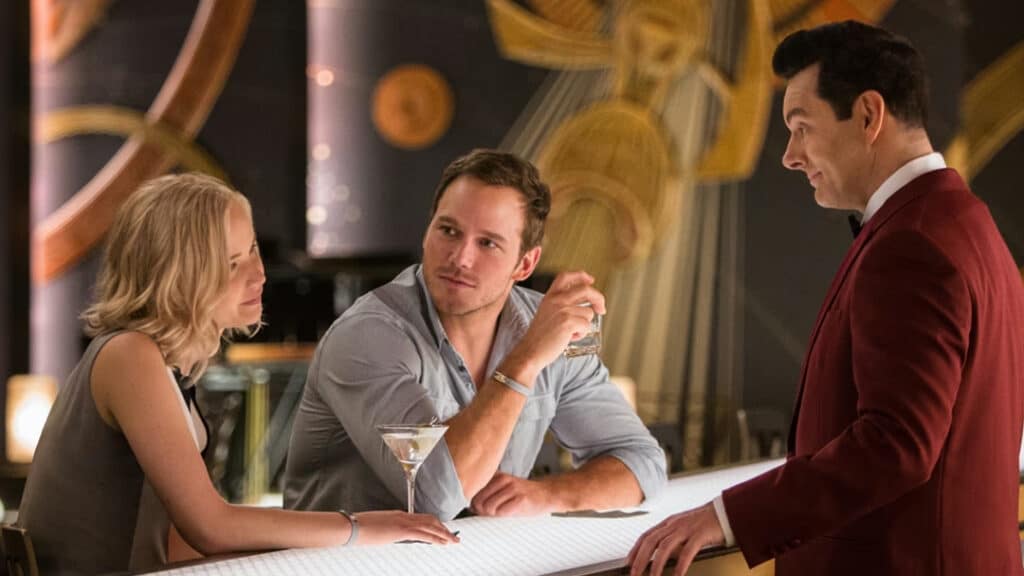
Marketed as a sweeping sci-fi romance, Passengers promised glossy spectacle and an epic love story set against the emptiness of space. Trailers framed the film’s central relationship as inevitable and heartfelt, selling it as a classic tale of loneliness turning into connection. On paper, it looked like prestige sci-fi with mainstream appeal. With hindsight, it has become one of the movies that aged badly as cultural conversations around agency and consent sharpened.
The problem is the premise itself, and the movie never reckons with it.
The story hinges on Jim waking Aurora from cryosleep without her consent, a choice that permanently alters her life and removes any possibility of informed agency. Rather than treating this as a profound ethical violation, the film quickly works to justify it, framing Jim’s isolation as understandable and steering the narrative toward romance. Aurora’s eventual forgiveness is presented as closure, not complication.
What makes this harder to overlook on rewatch is how little space the movie gives to Aurora’s perspective. Her anger, grief, and sense of loss are treated as temporary obstacles instead of central emotional stakes. The power imbalance at the heart of the relationship is never meaningfully challenged, and the story ultimately asks the audience to accept love as absolution, a pattern increasingly associated with movies that aged badly when romantic framing overrides ethical inquiry.
That framing didn’t take years to age poorly. It sparked backlash almost immediately.
In a genre known for interrogating moral dilemmas, Passengers avoids its most interesting question in favor of a safer emotional payoff. The result is a film that feels less romantic with each revisit and more like a missed opportunity, drifting past deeper ideas it never had the courage to explore.
Suicide Squad (2016): Style-First Storytelling in Movies That Aged Worse Fast
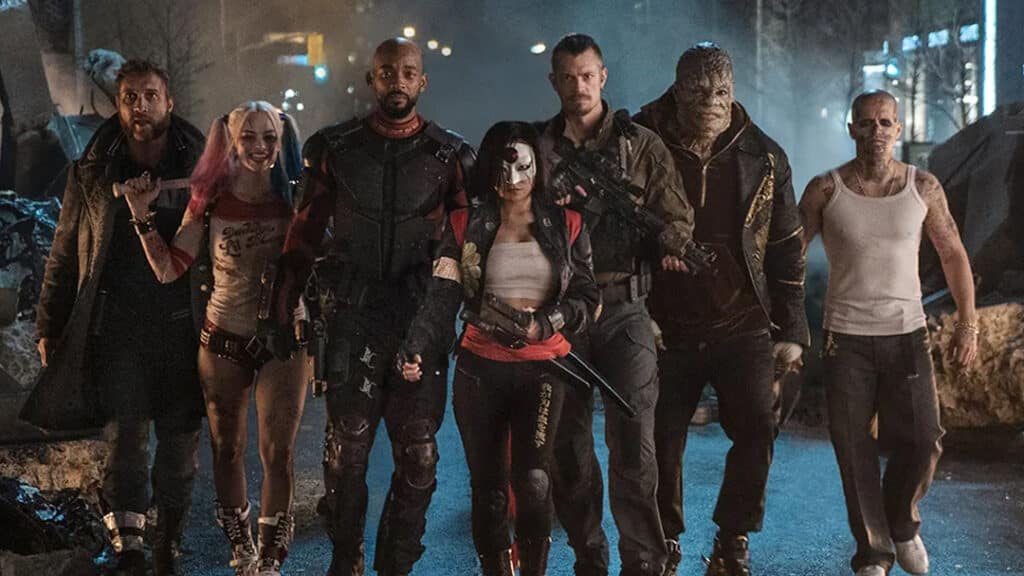
Once hyped as a rebellious shake-up of the superhero genre, Suicide Squad was positioned as a bold course correction for DC’s cinematic universe. Early trailers promised anarchic energy, dark humor, and a soundtrack-heavy swagger that suggested something edgier and more irreverent than the genre norm. For a brief moment, it looked like the antidote to superhero fatigue. In retrospect, it now sits comfortably among movies that aged badly as expectations around cohesion and authorship sharpened.
The finished movie didn’t deliver on that promise.
Reports of studio interference quickly became part of Suicide Squad’s reputation, and the impact is hard to miss. Scenes are chopped up before they can land, the tone swings wildly between grim seriousness and forced comedy, and character introductions feel more like flashy montages than meaningful setup. What was meant to feel chaotic by design instead feels disjointed and unfocused.
The movie’s heavy reliance on style over substance only made those problems more obvious. Neon visuals, needle-drop soundtracks, and stylized grit were treated as substitutes for character and story, but those surface-level choices dated fast. Without a strong narrative or clear thematic throughline, the aesthetic wears thin on rewatch, a familiar issue in movies that aged badly when presentation outpaces purpose.
Even the highlights couldn’t hold it together.
A handful of performances, most notably Margot Robbie’s Harley Quinn, hinted at a better movie buried beneath the clutter. But those moments only underline how uneven the final product is. Suicide Squad didn’t just miss expectations; it became a cautionary tale about selling rebellion without committing to it.
Its aesthetic aged faster than its characters ever could, leaving the film remembered less for its villains and more for what it revealed about studio interference, tonal confusion, and the risks of chasing a vibe instead of a vision.
La La Land (2016): Nostalgia, Jazz, and Movies That Aged Badly With Context
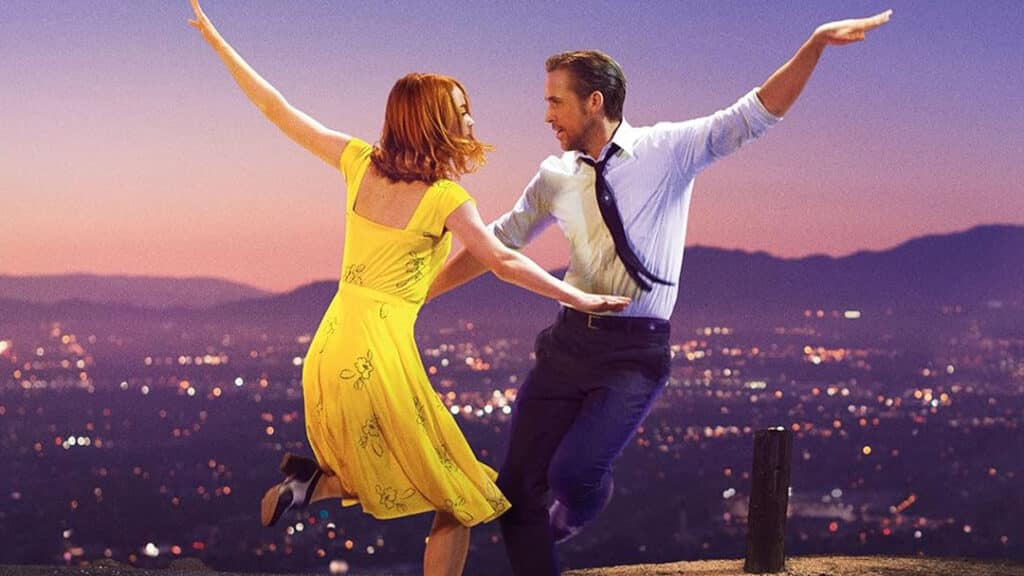
Still admired for its music and visuals, La La Land arrived as a glossy love letter to old Hollywood and the idea of artistic ambition. Its sweeping cinematography, stylized dance numbers, and instantly recognizable score helped turn it into a cultural phenomenon, with many viewers embracing it as a modern musical classic. At the time, it felt like a sincere celebration of creativity and sacrifice in an industry driven by spectacle. With distance, however, it has increasingly been discussed alongside movies that aged badly as cultural perspectives shifted.
With some distance, that framing has been reconsidered.
Much of the criticism centers on the film’s nostalgia-heavy perspective, particularly in how it approaches jazz. The story places a white protagonist in the role of preserving the genre, filtering a deeply Black musical tradition through an outsider’s point of view. While La La Land clearly reveres jazz, it leaves little room for the voices and histories that shaped it, instead using the music as a backdrop for its lead character’s personal growth.
That doesn’t erase the film’s strengths, but it does complicate its legacy in ways familiar to many movies that aged badly when reverence shades into appropriation.
As conversations around representation and cultural ownership have evolved, choices that once went largely unquestioned now stand out more clearly. What initially played as a harmless homage now invites debate about whose stories are centered and whose are pushed to the margins. The film’s emotional sincerity remains intact, but its cultural framing is discussed far more critically than it once was.
Final Thoughts
Movies don’t age in isolation. As culture changes, so does the way audiences respond to them, and not every film keeps pace, which is exactly why conversations about movies that aged badly keep growing.
These films still matter, not because they held up perfectly, but because they reveal what their moment prioritized and what it overlooked, a pattern that defines many movies that aged badly when viewed through a modern lens. Revisiting them isn’t about tearing anything down, it’s about acknowledging how much the conversation has shifted.
That tension between a movie’s legacy and modern reassessment is part of what keeps pop culture relevant, and why movies that aged worse are still worth talking about at all.